

















































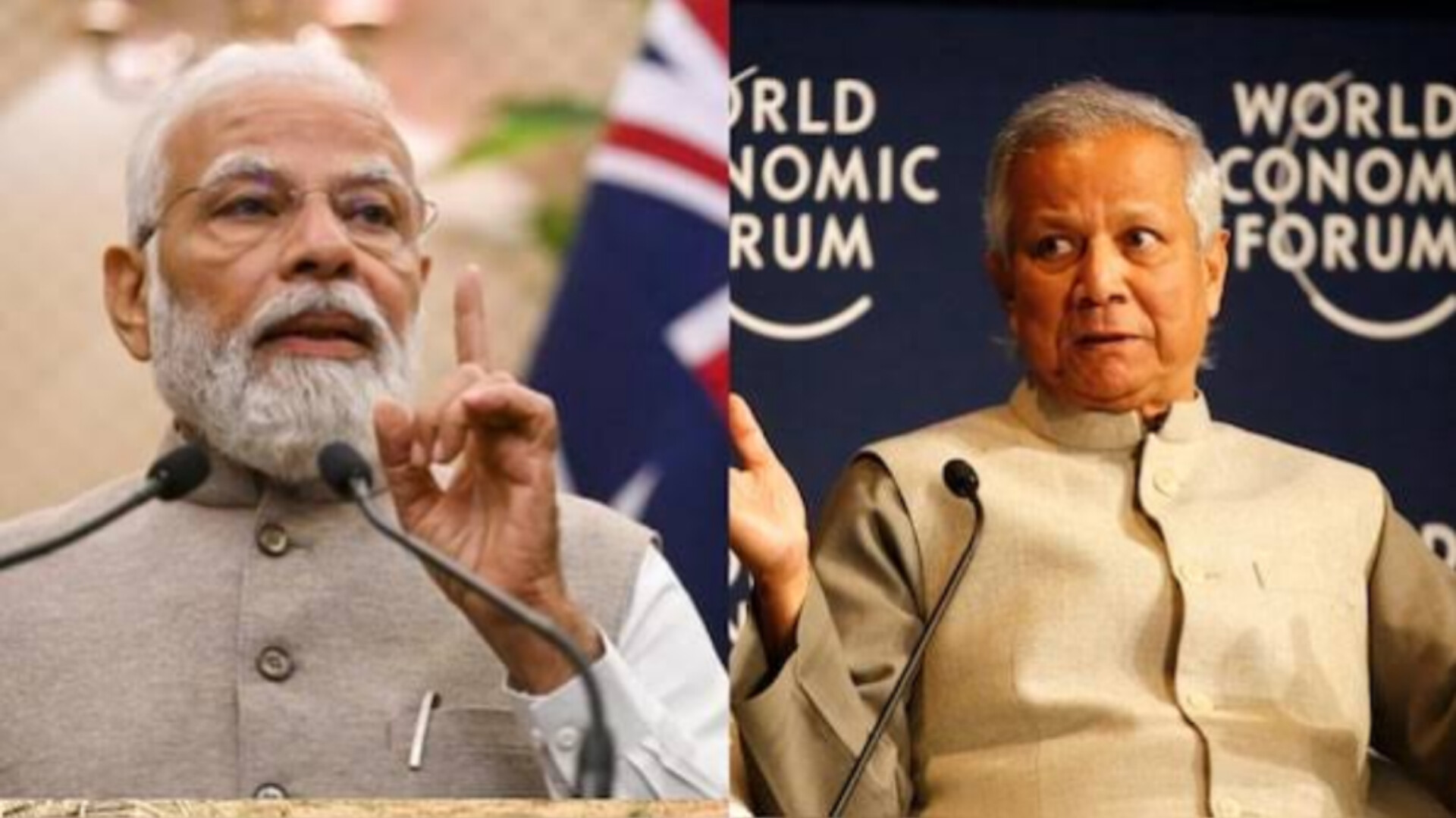

.The provisional administration in Bangladesh, under the leadership of Muhammad Yunus, finds itself embroiled in controversy for distorting the annals of history pertaining to the nation’s arduous struggle for liberation and diminishing India’s pivotal role in its emancipation from Pakistan in 1971. The National Curriculum and Textbook Board (NCTB) has undertaken substantial modifications to educational textbooks, eradicating all mentions of India’s invaluable contributions during the Bangladesh Liberation War. Since assuming power, the regime has exhibited animosity towards India through insinuations and forceful proclamations issued by prominent government figures. Moreover, there have been unsettling demands for the annexation of Indian territory along with baseless assertions regarding the proclamation of Bangladesh’s independence, neglecting Sheikh Mujibur Rehman’s indispensable historical significance. The actions taken by the administration led by Yunus have ignited a maelstrom of contention and prompted apprehensions about the fidelity of historical accounts as depicted within educational materials.In the absence of concrete evidence to support claims of an announcement being made on the 26th of March in 1971, it was rather Ziaur Rehman who issued a proclamation on the following day, attributing his actions to Bangabandhu Sheikh Mujibur Rahman and urging resistance against the forces of West Pakistan. This subtly implies that it was actually Sheikh Mujibur Rahman who had declared the independence of Bangladesh on that pivotal date, with Ziaur Rehman simply echoing this sentiment thereafter. It is therefore apparent that any alterations made to educational programs based on these supposed events are grounded in falsehoods. Ziaur Rehman, later becoming both the founder and sixth Prime Minister of the Bangladesh Nationalist Party (BNP), steered away from Bengali secularism towards espousing a national identity closely tied with Islam at its core. In doing so, he ostracized Hindus and other minority groups within society. A report by UNHCR draws attention to stark differences between Sheikh Mujibur Rahman’s commitment to secular principles and Ziaur Rehman’s authoritarian rule characterized by a shift towards religious conservatism.This ideology championed by Ziaur Rehman has persisted through generations within his own family line, marking a continued departure from Bangladesh’s erstwhile values under Sheikh Mujibur Rahman’s leadership.This led to the emergence of extremist Islamic groups, led by his spouse, Khaleda Zia, who espoused fervent anti-Hindu and anti-India ideologies within the borders of Bangladesh.