









































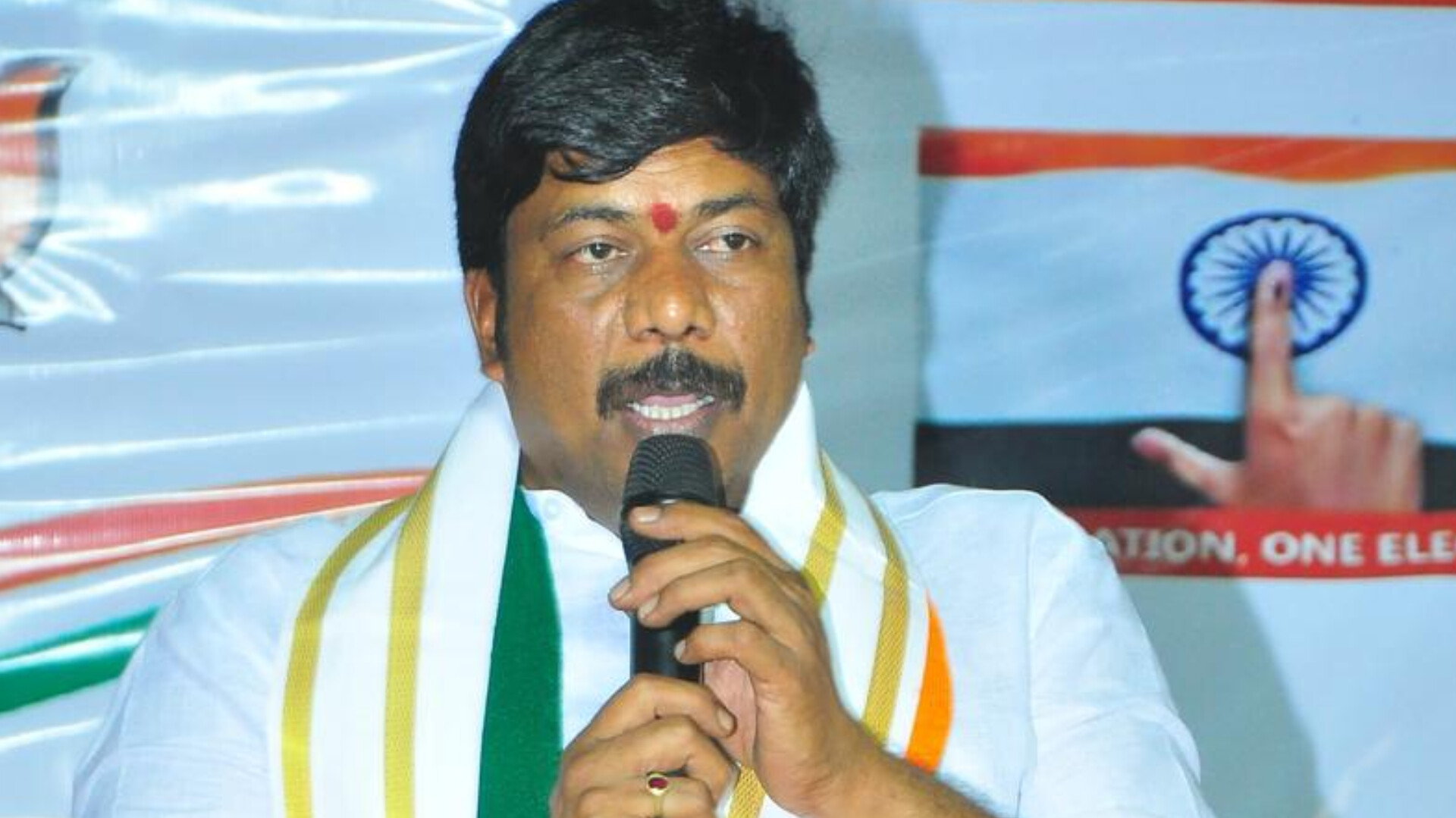

Khammam, March 31 – In a bold statement that could reshape the narrative surrounding welfare in Telangana, Nelluri Koteswara rao, the Bharatiya Janata Party (BJP) Khammam District President, has reaffirmed that the essential subsidized rice allocated to the poor via ration shops across the state is funded entirely by the central government. This assertion places a spotlight on the financial mechanics behind one of the state’s most vital social support systems and challenges the ongoing leadership discourse.
During a recent press conference, Koteswara rao articulated critical details regarding the rice distribution scheme, often regarded as a lifeline for underprivileged families navigating economic hardships. He pointed out that the state’s expenses for this initiative amount to merely ₹10 per person, a figure overshadowed by the ₹40 that the central government subsidizes. This disparity in funding has sparked debates about transparency and accountability within the state administration.
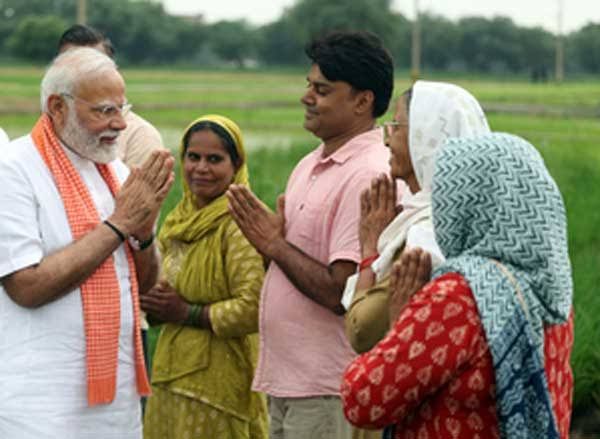
“Our farmers endure immense struggles just to harvest the rice. It is the central government that ensures its smooth procurement and distribution, covering all associated costs including packaging, labor wages, and transportation,” Koteswar rao stressed, underscoring the crucial role of the central authority. “It is disheartening to witness the Congress government misrepresenting these facts in an attempt to mislead the citizens.”
The backdrop of his statements is significant. In recent months, Telangana’s political landscape has been rife with tensions as various parties vie for the allegiance of the electorate. The BJP’s message — underscoring the benevolence of the central government — presents an opportunity for them to cultivate support among those reliant on state welfare. Koteswara rao’s remarks come at a time when the importance of food security is more pronounced than ever, especially with many families feeling the brunt of rising living costs.

Koteswara rao did not stop at addressing financial discrepancies; he also accused Chief Minister Revanth Reddy of a deliberate effort to obfuscate the truth. “By concealing these facts, the Chief Minister engages in a form of false propaganda that ultimately harms the very citizens he claims to serve. It is time the people are made aware of the truth,” he asserted, challenging the state’s leadership to be more forthcoming.
Furthermore, he indicated that not only does the central government handle operational costs, but it also covers any interest on loans the state government may acquire for the management of these welfare programs. This revelation raises pertinent questions regarding fiscal responsibility and the impact of state decision-making on the lives of everyday citizens.
Koteswararao’s passionate defense of the central government’s efforts culminated in a call to action for the citizens of Telangana. “It is imperative that the people understand and appreciate the support they are receiving from the central government,” he proclaimed. He characterized this as a watershed moment where voters need to assess whom they truly wish to back in the future — a government that provides substantial aid or one that politically postures while failing to deliver on its promises.
In an increasingly competitive electoral landscape, the BJP seems poised to leverage this narrative of governance and support, challenging the Congress party’s credibility. As the state gears up for future elections, it is clear that welfare, transparency, and accountability will remain at the forefront of political discourse.
As Telangana navigates its social and economic challenges, the ongoing dialogue surrounding food security, federal support, and local governance will undoubtedly influence the region’s political future.
In a time when clarity and truth are more essential than ever, Koteswararao’s assertions may just be the reminder required for the electorate to reassess whom they trust with their welfare and their votes.