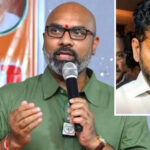



















































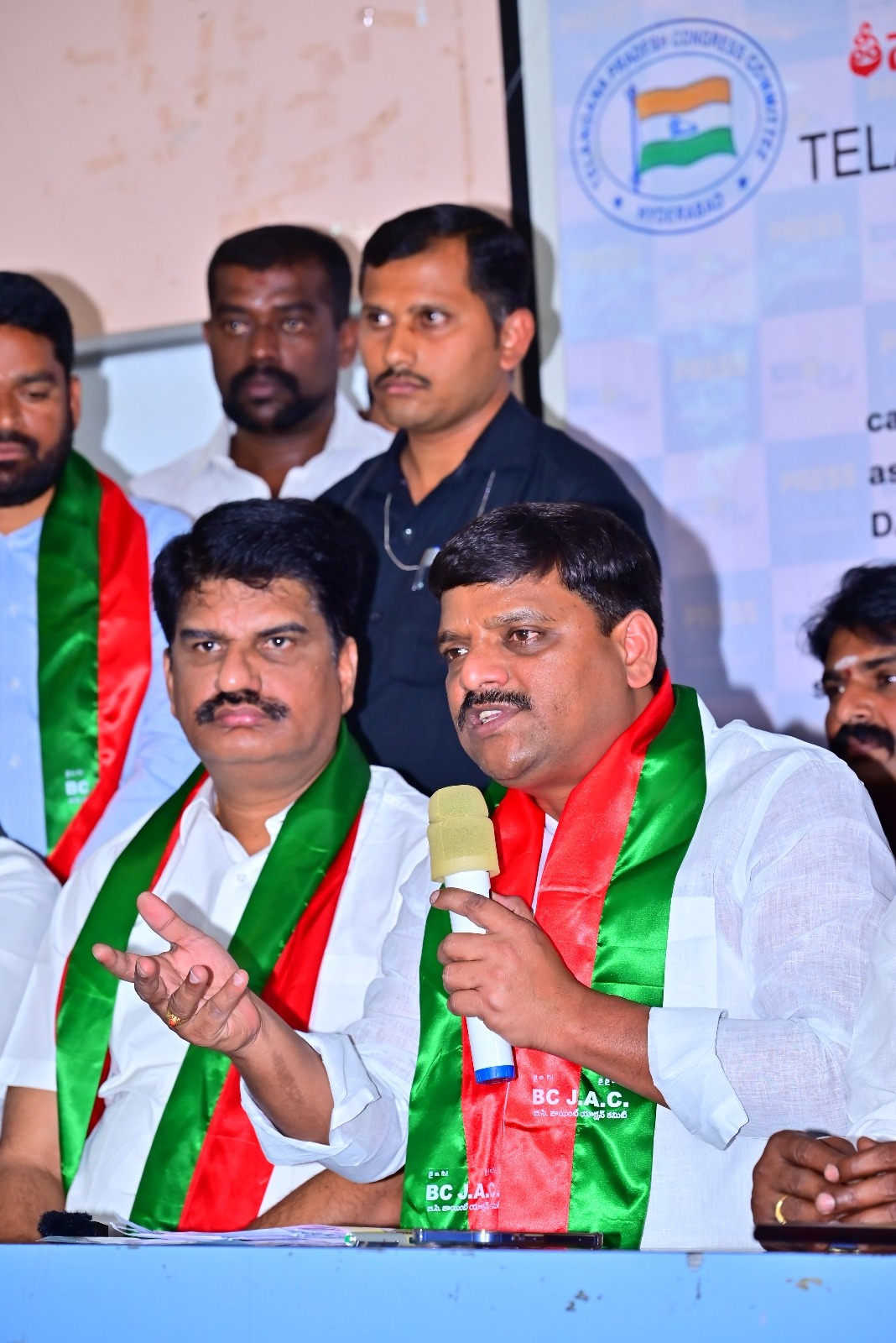

In a heated recent press conference, political activist and Congress member Teen Maar Mallanna publicly addressed the ongoing conflict with party leader Revanth Reddy regarding a contentious suspension order. Emphasizing the significance of the Backward Classes (BC) movement in Telangana, Naveen questioned the motives behind Reddy’s attempts to sideline him and called for unity among BC communities to combat perceived injustices within the political landscape.
Naveen’s comments come in response to allegations that he had been attempting to dismantle the Congress party from within. “Revanth Reddy has been trying to suspend me for many days, and this is not just personal; it’s about the future of the BC movement,” Naveen asserted during the meeting held to address concerns from BC youths. He emphasized that his political engagement is rooted in advocating for the rights of underrepresented groups, and he rejected the notion that his efforts were detrimental to the Congress party.
“Actions will be taken only on BCs,” he stated, making it clear that he sees the fight for BC rights as pivotal to the future of Telangana’s political dynamics. Naveen highlighted the achievements of BC leaders, referencing their critical role in movements such as the Mali Dasha, which he argued laid the groundwork for social justice in the region. His stance resonates with a significant base of supporters who feel marginalized within the current political structure.
One of the core issues raised by Naveen involves the accuracy of surveys conducted by the Chief Minister’s office, which he claims misrepresents the population distribution and, by extension, the need for equitable reservation policies. “According to this W Kota, if reservation is given as per your wish, we will definitely question that injustice,” he declared, referencing a flawed survey that he believes undermines the legitimacy of reservations meant for BCs.
Naveen did not shy away from personal accountability, stating, “If I find it wrong to date the wrong survey copies, I will repeat the same mistake.” His critiques reflect a broader frustration among BC communities regarding systemic misrepresentation and neglect by those in power. “The Chief Minister should tell how the population of Telangana has decreased if there are one crore fifteen lakh houses,” he added, challenging the government’s narrative and stressing the need for transparency.
A significant highlight of the conference was Naveen’s rallying cry for BC unity. “We will all fight together against any actions that denigrate BCs,” he proclaimed, echoing sentiments shared by numerous BC advocates who have voiced concerns over the rising tide of caste-based discrimination within the political framework. He recalled the legacy of past leaders like BP Mandal, who championed the cause of social justice, contrasting it with the current scenario where he claims the upper caste interests dominate decision-making processes within the Congress party.
Critics of Naveen, including some factions within the Congress, argue that his confrontational approach could further divide party efforts in a crucial election season. A political analyst who wished to remain anonymous noted, “While Naveen’s advocacy for BC rights is commendable, his strategies might alienate crucial party allies, potentially weakening the Congress’s overall electoral position.”
Naveen remains undeterred, asserting, “If I am suspended, I have no fear or pain.” He reiterated his commitment to the cause, claiming that the political ambitions of figures like Rahul Gandhi align with the struggles of BCs. “Surely Rahul Gandhi’s ambitions will continue, and we must ensure that BC voices are not silenced in this process,” he emphasized.
As the MLC elections loom, Naveen’s remarks serve as a stark reminder of the complexities surrounding caste politics in Telangana. His insistence on prioritizing BC enumeration and rights echoes a growing demand for inclusion and justice across various political spheres. With tensions mounting within the Congress party, observers will be watching closely to see how these dynamics play out in the forthcoming elections.
In conclusion, Teen Maar Mallanna Ilyas Chintapandu Naveen’s bold stance against Revanth Reddy encapsulates a significant struggle within Telangana politics. As BC communities galvanize around issues of representation and equity, the outcomes of these internal party conflicts could have lasting impacts on the electoral landscape and the broader movement for social justice in the region. The fate of the Congress party and its commitment to inclusivity hangs in the balance, as the voices of marginalized groups continue to demand their rightful place in the political discourse.